
This is why you never need to compromise security and privacy in a workplace
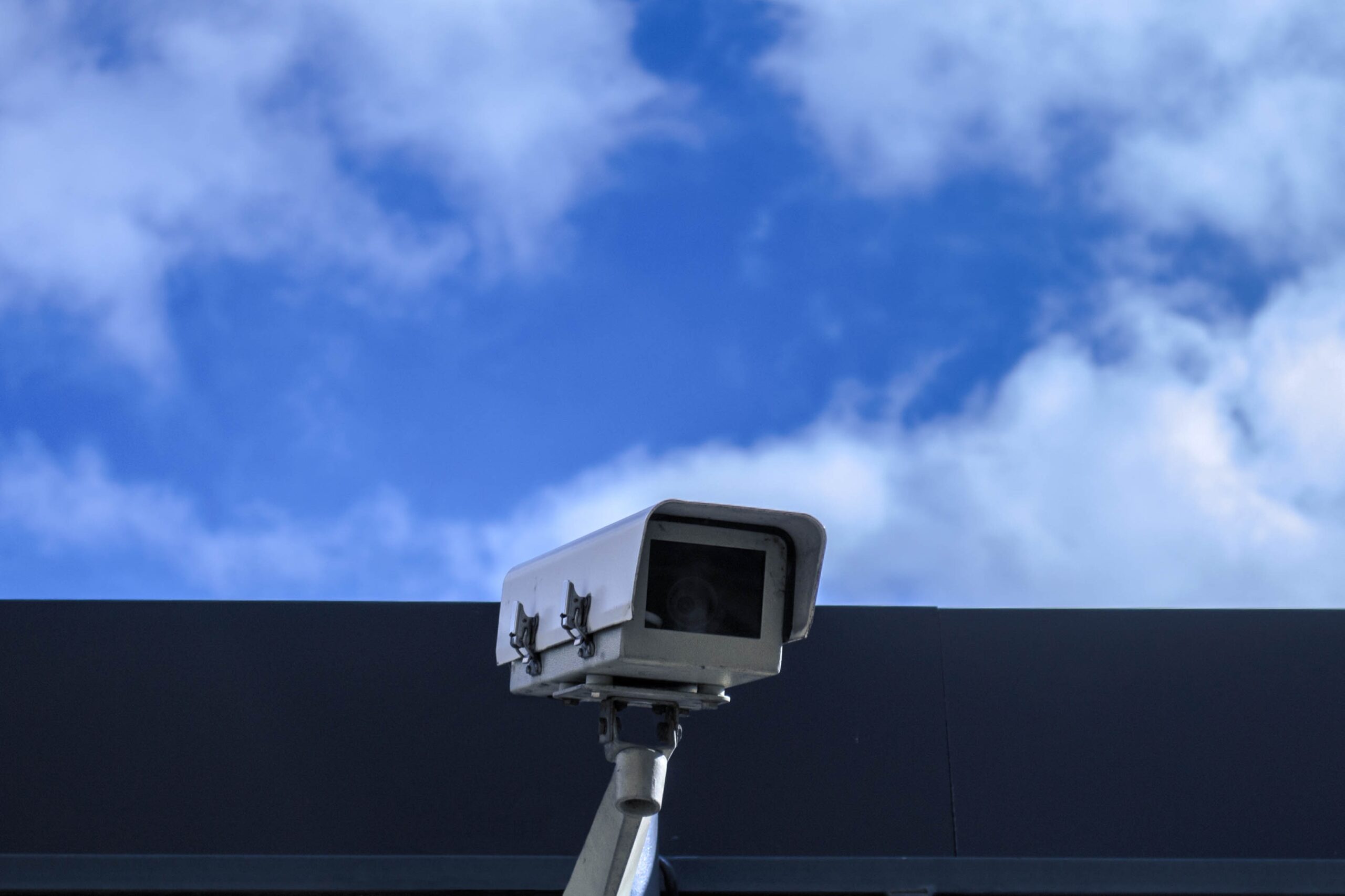
In a professional workplace, it is responsible for the employers to deploy commercial video surveillance on their properties to combat criminal activities. Once an accident or crime happens, we need solid evidence to prove objective truth or help to investigate the truth. At the end of the day, it is about relying on technology to preserve the truth.
When we talk about installing a security camera system in a workplace, the privacy of the employees is always a concern. On one hand we want to monitor the security of the properties against criminals, but on the other hand, employees fear that it is a spy tool that employers use to violate their privacy. It creates a very difficult relationship between employers and employees and an uncomfortable working environment.
This article will walk you through legal aspects of the surveillance systems in a workplace and how they would benefit an organization and individual workers. We will also talk about the technical aspects to explain how we can achieve security and privacy at the same time.
Legal ground for commercial video surveillance in a workplace
Canada’s Charter of Rights and Freedoms ensure the basic rights of privacy in a workplace. However, employers also have the legal rights to protect their properties and interests using security cameras. The common ground is that surveillance cameras can only record video, not audio communications, especially private conversations. Therefore, you shouldn’t worry about being caught on tape bad- mouthing your boss on company premises and worrying about the audio tape being used against you to terminate your employment. Neither of those actions are legal. For the case where a worker commits a crime on tape such as vandalism, it is reasonable to ask the court to exclude audio evidence that was illegally recorded against the crime.
- Sound should not be recorded
- Cameras should not be placed in private areas
- Recording data should be protected
- Cameras should only be used for their intended purpose.
To protect employer and employees’ rights, it is important to install surveillance systems legally. Employers are obligated by law to post noticeable and clear to read signs where a camera is placed. All signs need to be posted in at least English and French, the two official languages of Canada.
If you think all these legal terms and rules are too confusing, another alternative would be to openly discuss the surveillance system with your employer either yourself or through a union to find a comfortable middle ground for everyone regarding the commercial video surveillance system. That way you could find a solution that will still respect your privacy at work. For more details on the legal information, we suggest you consult with a legal professional or read from the Office of the Privacy Commissioner of Canada’s webpage.
Benefits of a commercial video surveillance systems
After discussing the legal aspect of surveillance systems at a workplace, it is fair to discuss what are some the benefits of installing it.
If you are a worker who would perform well regardless of whether your boss is watching or not, why would you care if the camera is there? If you are the type of worker who is known to show up late to work or makes mistakes, your employer probably doesn't need a camera to tell you that when you don’t make your deliveries. Therefore, if all surveillance cameras are already legally installed and you already agreed to it when you sign up for the job, it is the employees’ responsibility to learn how to live with them. After all, it is an inevitable fact that more and more Canadian companies are using surveillance systems in their workplaces.
Also, employees really need to understand that the surveillance system is used against criminal activities. As an employee, you don’t want to be suspected when your laptop is stolen from your desk by a thief, or you don’t want someone breaking into your car when you are parked in the company parking lot. The safety of everyone who is in the workplace is the primary concern of a surveillance system. Your boss couldn’t care less if you leave 5 mins earlier or if you take a longer lunch break. Who hasn’t done those things?
Morally if we all can learn how to accept a surveillance system at a workplace as a protection, it will show maturity and professionalism. It will build a solid trust between the employer and the employees. If you want to learn more, please read How security cameras help protect your business.
Employers be aware when install cameras
In addition to all the legal and privacy concerns mentioned earlier, the rest would be technical factors employers need to consider before installing cameras. Employers need to do their research thoroughly to ensure this process will only take place once. You don’t want to install a bad system, and you would have to re-do this process all over again when you suffer a significant loss.
Visible or Hidden Cameras
The First thing you need to consider is if you want the camera to be visible to deter criminals, or you want the cameras to be hidden so that you can capture what the criminal looks like after a crime? It is possible that when your cameras are too obvious, criminals can disable them before committing any crime.
Wired vs. Wireless
On the other hand, wired or wireless cameras would be another key aspect employers need to consider. They both have their advantages and disadvantages. You need to balance different factors to make the best decision for you.
Resolution
Resolution of the camera is another crucial aspect. If the resolution is too high, it will take a lot of storage to save all the footage. If the resolution is low, you might not capture enough information to identify the criminal. Read Analog vs digital image resolution.
Does it even matter if I choose a wide-angle camera or a rotating camera? A wide-angle camera certainly has a wide range of coverage, but it is not as wide as a 360-degree spinning camera. Which can ideally cover everything around it. However, spinning cameras don’t move as fast as criminals. Criminals can quickly vandalize or steal from different parts of a room within seconds. A spinning camera may take a moment to get in the proper position. And once it finally does, the crime could be over and the criminal will have already moved on to the next target.
Camera Placement
That leads to the next major concern, which would be the placement of the cameras. You will want to deploy enough cameras to cover all dead zones or at least cover all valuable items. What if one camera does not function correctly? Or the criminal happens to destroy one of the cameras, and you don’t have another one to cover the area. What if the camera placement is poor and you can’t’ see the face of the criminal? Another example is if an outdoor camera is facing sunlight during the day. There would be too much sunlight coming into the camera and you wouldn’t be able to see the face of the criminal clearly. These are some very serious concerns that employers may want a professional team to come on-site to determine the best strategy.
Our camera installers have the best skills in the market to help you to build your own surveillance system. They also uphold privacy standards to make sure you are safe, but also respect employees’ privacy. For all your surveillance needs and inquiries, please call Panopticon Solutions today to book your appointment: 416-613-8828.
SHARE